

Introduction
When embarking on a bathroom renovation, one of the most important decisions you’ll face is selecting the right materials for the walls. Two popular options are cement board and drywall. While drywall is a go-to choice for most indoor applications, cement board is a specialized material that offers superior performance in wet environments. If you’re a beginner tackling your own bathroom remodel, understanding the differences between these two materials, how they are installed, and where each excels will help you make an informed choice.
This guide will walk you through the key factors to consider when deciding between cement board and drywall for your bathroom, and give you step-by-step instructions for installation, focusing on the transition points and how they interact with each other.
Cement Board vs. Drywall for a Beginner’s Bathroom
The bathroom is one of the most moisture-prone areas of the home, which makes selecting the right wall material essential. Cement board is often preferred in areas with high moisture, such as around the bathtub, shower, and sink areas. Drywall, on the other hand, is widely used for general wall applications, but it doesn’t perform as well in wet conditions. Understanding when and where to use each material is key to creating a safe, functional, and long-lasting bathroom.
Why Cement Board is Ideal for Bathrooms
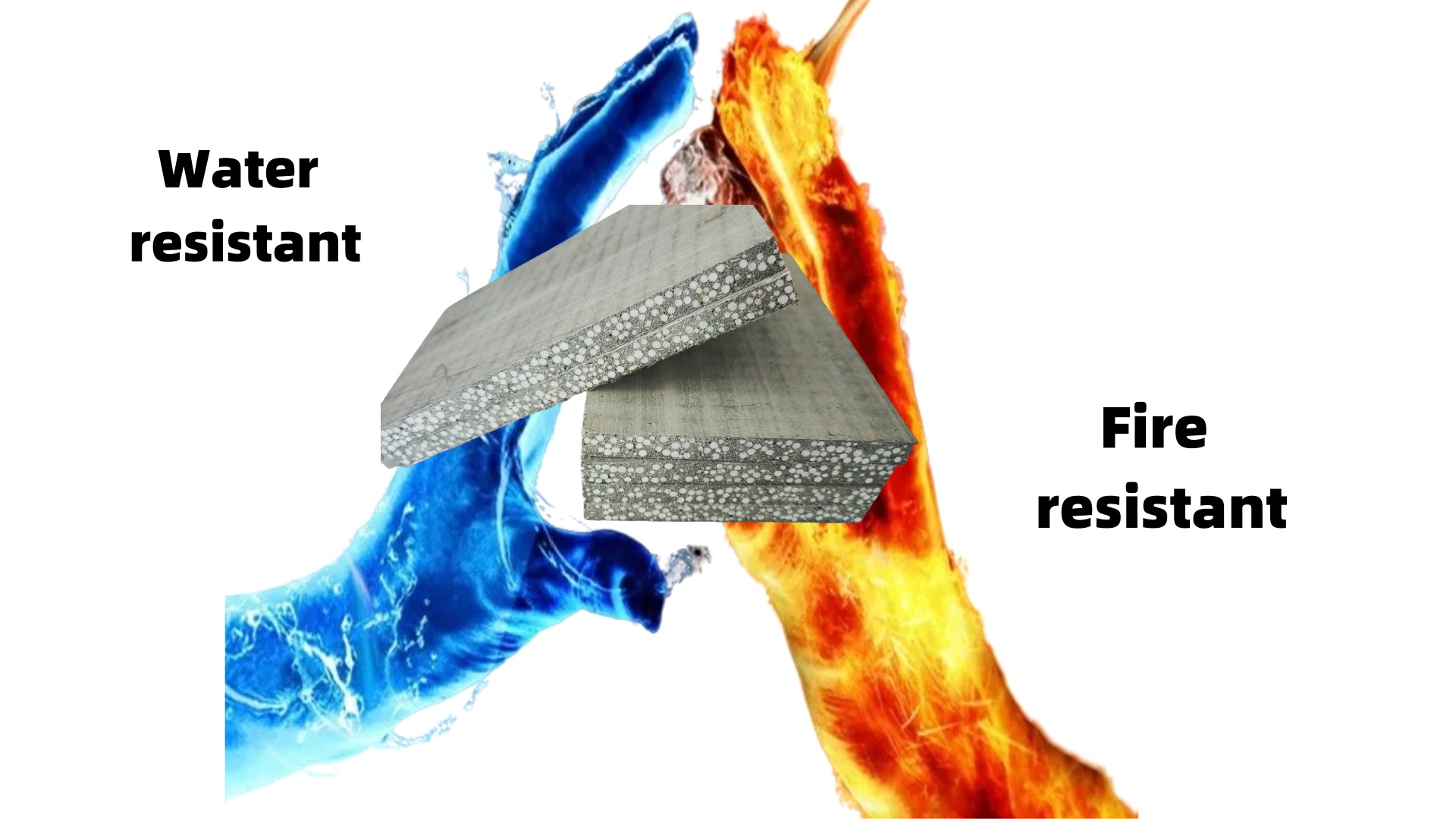
Cement board is designed to withstand moisture without degrading. It is made from a blend of cement and fiberglass mesh, which makes it water-resistant and mold-resistant. This makes it the best option for areas that will be exposed to constant humidity and water, like shower walls or tub surrounds. Cement board also serves as a strong substrate for tiling, ensuring that the tiles stay in place and the surface remains structurally sound.
Advantages of Cement Board:
- Water Resistance: Cement board’s ability to resist water makes it a top choice for wet areas.
- Strength and Durability: It provides a stable and firm base for tiling.
- Mold Resistance: Since it doesn’t absorb water, it doesn’t foster mold growth.
When Drywall Can Be Used in a Bathroom
Drywall, also known as gypsum board, is commonly used in other areas of the bathroom that aren’t directly exposed to water. It is generally installed behind sinks, vanities, or in areas of the bathroom that will be dry. Moisture-resistant drywall, also known as green board, is specifically designed for bathrooms, offering a degree of water resistance but still falling short of the protection offered by cement board.
Advantages of Drywall:
- Cost-Effective: Drywall is typically less expensive than cement board.
- Easy to Cut and Install: Drywall is lighter and easier to handle for beginners.
- Versatility: It can be used in a variety of indoor applications, including in the bathroom where moisture exposure is limited.
How to Install Cement Board in a Bathroom
For a beginner’s bathroom, installing cement board involves a few simple steps, but it’s important to follow each one carefully to ensure a proper setup.
- Preparation: First, you’ll need to measure and cut your cement board to fit the bathroom walls. If you’re placing it behind a shower or bathtub, ensure the board covers the full area around the tub or shower unit.
- Screwing the Board In: Use cement board screws (specifically designed for the material) to secure the cement board to the studs. Avoid using regular drywall screws, as they won’t hold as securely in cement board.
- Sealing the Joints: To create a waterproof seal, tape the seams with fiberglass mesh tape. This will help prevent any moisture from seeping through the joints.
- Waterproofing: Apply a waterproof membrane over the cement board if necessary, especially in areas that will be directly exposed to water, such as shower walls.
Important Tip: If you’re transitioning from cement board to drywall, ensure that both materials are securely fastened and that the joint is properly sealed. This can be done with cement board to drywall transition strips or joint compound.
Installing Drywall in a Bathroom
Drywall installation in the bathroom is fairly straightforward but needs attention to moisture considerations. If you’re installing drywall in dry areas, you can follow these simple steps:
- Cut and Fit: Cut the drywall to size and position it on the studs.
- Fasten the Board: Use drywall screws to fasten the drywall into place. These screws should be installed at regular intervals along the studs.
- Sealing and Taping: Use drywall mud to seal the seams, and then cover them with drywall tape. Once the mud is dry, sand it down for a smooth finish.
- Waterproofing: While standard drywall isn’t water-resistant, you can apply a moisture-resistant coating or use green board drywall for areas that will experience higher humidity.
Transitioning Between Cement Board and Drywall
When you need to transition from cement board to drywall, there are a few important steps to follow to ensure a seamless and water-tight installation:
- Screwing the Boards Together: Use the appropriate screws for both materials (cement board screws for the cement board and drywall screws for the drywall).
- Taping the Joint: You’ll need to use joint tape specifically designed for the cement board, such as fiberglass mesh tape. This will prevent the drywall mud from cracking at the joint.
- Finishing the Transition: Apply joint compound over the tape, smoothing it out to ensure a clean transition. Allow it to dry before sanding it down.
- Sealing the Joint: Apply a coat of waterproofing membrane over the joint for added protection against moisture.
Key Differences Between Cement Board and Drywall for Bathrooms
| Feature | Cement Board | Drywall |
|---|---|---|
| Water Resistance | Excellent; designed for high-moisture areas | Moderate; not ideal for wet areas |
| Durability | Highly durable, ideal for tiling | Less durable, prone to damage in wet areas |
| Ease of Installation | Moderate; requires specialized screws and tools | Easy to install for beginners |
| Cost | Higher cost | More affordable |
| Applications | Best for showers, bathtubs, and wet areas | Best for dry areas, such as above vanities |
Can You Use Cement Board Over Drywall?
In certain cases, you can install cement board over drywall, especially in areas that are not directly exposed to water, like behind a backsplash. However, this practice is generally not recommended in wet areas because drywall is not as water-resistant as cement board. In the event that cement board is placed over drywall, ensure that the drywall is properly sealed, and take care with the cement board to drywall transition to prevent water infiltration.
Conclusion
In the debate of cement board vs. drywall for a beginner’s bathroom, the key takeaway is that both materials have their place depending on the specific application. Cement board is your best option for areas exposed to high moisture, such as shower walls or bathtub surrounds. However, if you’re working in dry areas of the bathroom, drywall is a cost-effective and easy-to-install choice. By understanding their differences and following the correct installation techniques, you’ll be able to create a bathroom that’s both functional and durable. Whether you choose cement board or drywall, a careful and informed approach will ensure a successful bathroom remodel that lasts for years to come.