

When designing or renovating a space that includes bathrooms, kitchens, laundry rooms, or exterior walls, one of the key questions professionals face is: which board material performs better under moisture — cement board or gypsum board?
Both materials are widely used in the construction industry, but they serve very different purposes. Let’s break down their properties, advantages, and limitations to help you make the right choice.
1. Composition and Structure
- Cement Board:
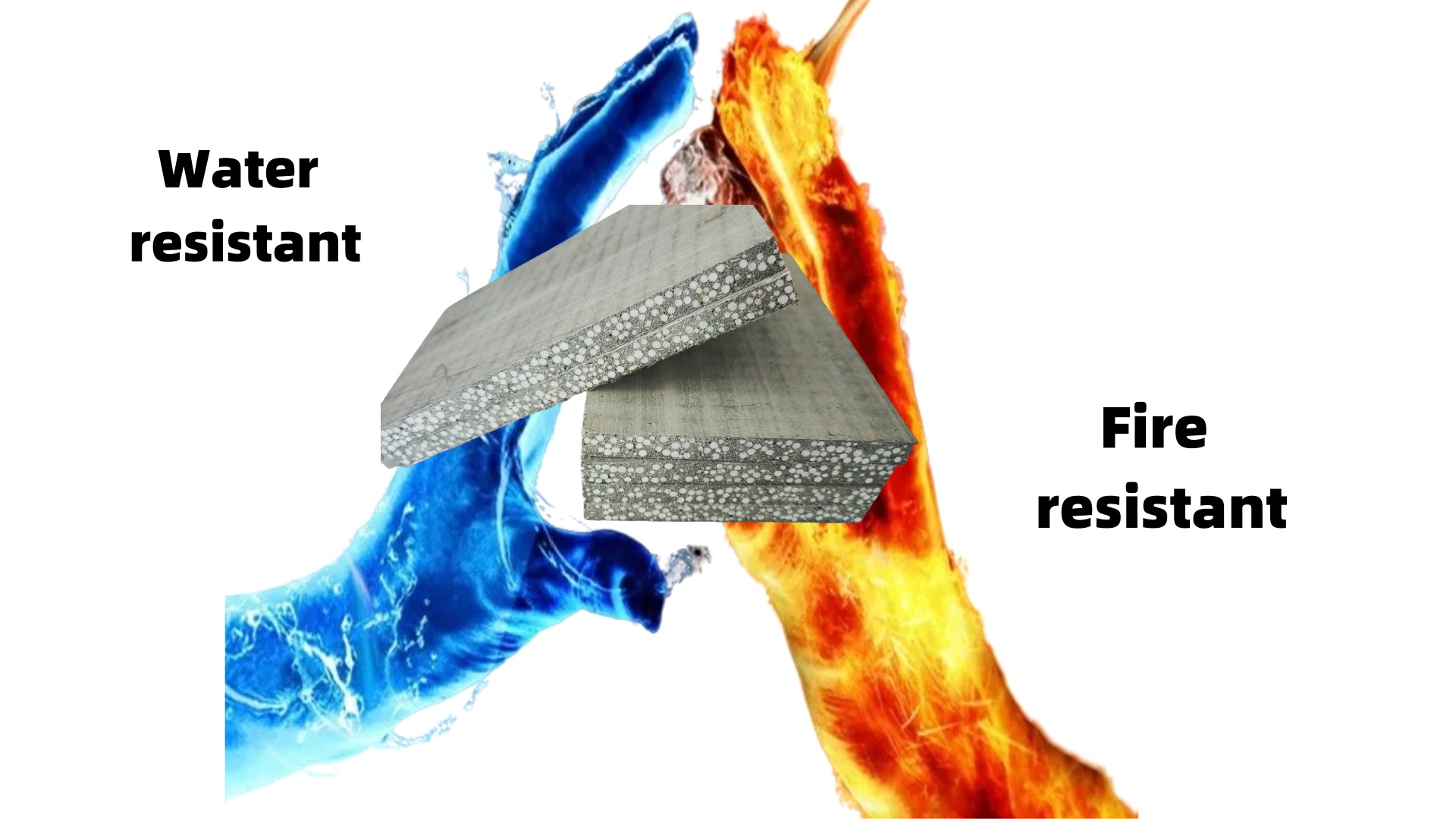
Made from cement, silica, and reinforced with fiberglass mesh. Dart Lightweight Cement Board, for example, has a high-density structure (800–900 kg/m³) that makes it extremely durable, waterproof, and fire-resistant.
It’s ideal for areas constantly exposed to humidity or direct water contact. - Gypsum Board (Drywall):
Made primarily from gypsum powder wrapped in paper liners. It’s lightweight and easy to cut, but the paper surface and porous core make it vulnerable to moisture and mold growth, even in so-called “green boards.”
2. Performance in Moisture Environments
| Feature | Cement Board | Gypsum Board |
|---|---|---|
| Water Resistance | Excellent – Non-absorbent, no swelling or delamination. | Poor – Absorbs moisture and weakens over time. |
| Mold Resistance | High – Inorganic material prevents mold growth. | Low – Paper surface attracts mold and bacteria. |
| Fire Resistance | A1 non-combustible (EN13501-1) | Moderate – Can resist fire for short durations. |
| Strength | Strong, rigid, suitable for tile and stone support. | Fragile under heavy load or humidity. |
| Durability | 15–30 years lifespan in wet areas. | 3–5 years if exposed to humidity. |
Conclusion:
For any wet or humid area, cement board clearly outperforms gypsum board in strength, water resistance, and long-term stability.
3. Installation and Applications
Cement Board Applications:
- Bathroom and shower walls
- Kitchen backsplash and wet areas
- Ceiling or wall panels in humid climates
- Exterior sheathing and façade systems
- Tile backer for flooring or subflooring
Cement boards like Dart Lightweight Cement Board are easy to cut and install using standard tools and screws. One person can handle a full-size board easily due to its lightweight density range (800–900 kg/m³ or even 500–700 kg/m³ for Super Light versions).
Gypsum Board Applications:
- Interior partitions and dry walls
- Ceiling areas with controlled humidity
- Decorative walls that don’t contact moisture
4. Cost and Long-Term Value
Although cement boards may have a slightly higher initial cost, they offer lower maintenance and replacement costs in the long term.
For high-humidity regions or projects where durability and safety are essential, cement board provides a better return on investment.
5. Why Choose Dart Lightweight Cement Board
- Waterproof and fireproof (A1 grade)
- Lightweight and easy to install
- Strong structure suitable for tiles and finishes
- Long lifespan, stable under humidity
- Available in multiple thicknesses (3 – 28 mm) for wall, ceiling, and floor applications
Conclusion
When it comes to wet areas or high-moisture environments, the choice is clear — cement board delivers superior performance, reliability, and protection compared to gypsum board.
Whether for new construction or renovation, Dart Lightweight Cement Board ensures quality, strength, and peace of mind for every project.