

Introduction
Installing cement board on exterior walls is an essential step for creating durable, moisture-resistant surfaces. Whether you’re building a new home, renovating, or looking to improve your exterior cladding, cement board offers excellent protection from the elements. In this guide, we will walk you through the process of installing exterior cement board, from preparation to finishing touches. We’ll also cover the different types of cement boards available and share tips for ensuring a long-lasting installation.
Why Choose Cement Board for Exterior Walls?
Cement board is one of the most popular materials for exterior cladding due to its ability to resist moisture, mold, and mildew. Whether you choose exterior cement board siding or cement board for exterior use, this material is known for its durability and versatility in various climates. It can be used for a variety of applications, such as cement board exterior cladding, cement boards for exterior walls, or as a base for stone veneer over cement board exterior.
The key benefits of using cement board for your exterior walls include:
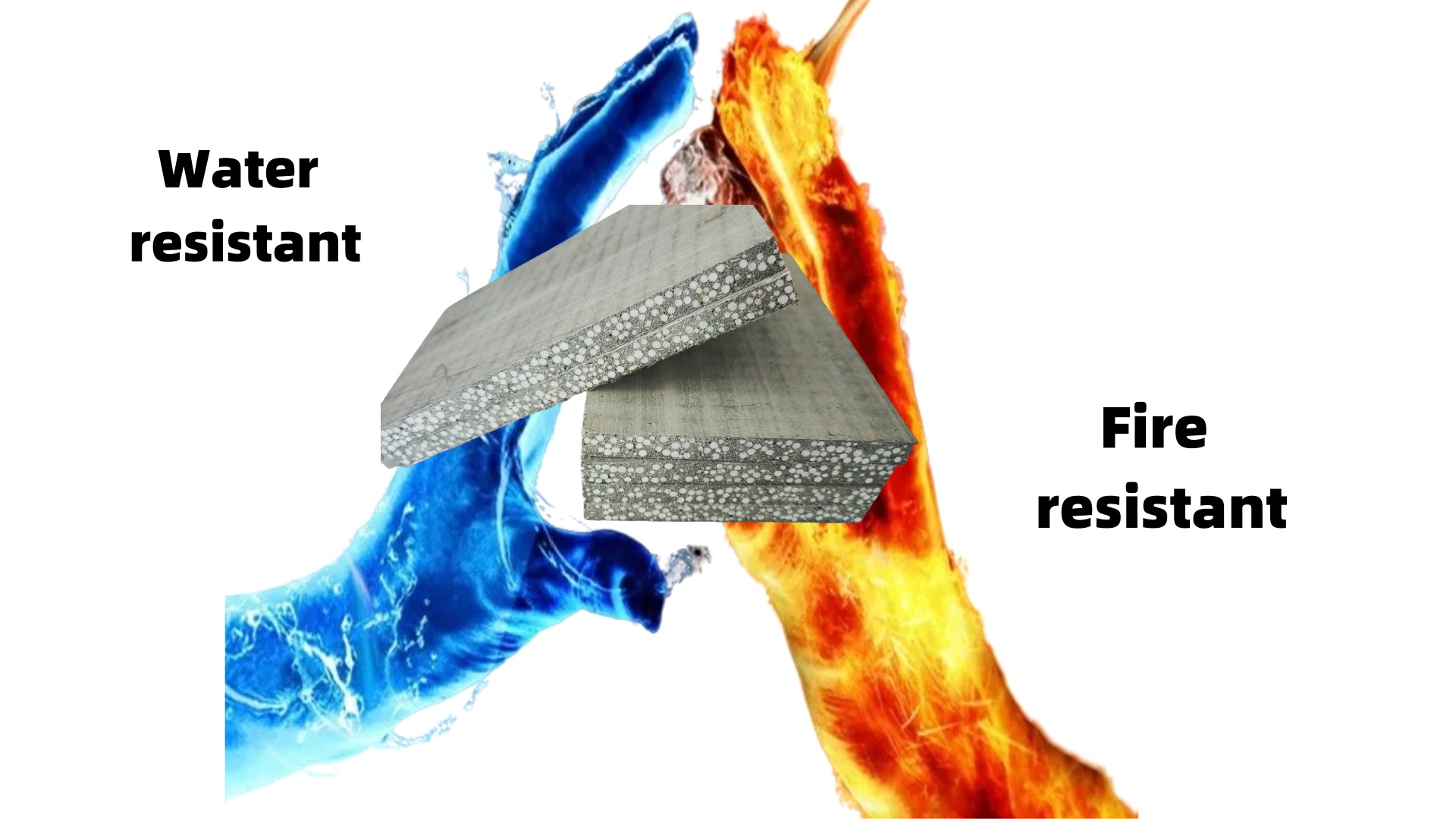
- Moisture resistance: Ideal for wet environments like coastal areas or rainy climates.
- Fire resistance: Provides an additional layer of protection against fire.
- Strength and durability: Withstands harsh weather conditions and heavy impact.
- Easy to maintain: Minimal upkeep required once installed.
Materials You’ll Need for Installing Cement Board
Before you begin installing your cement board exterior wall panels, make sure you have the right tools and materials. Here’s what you’ll need:
- Exterior Cement Board Panels – Opt for high-quality boards such as durock cement board exterior application or permacolor cement board for exterior use.
- Measuring Tape – Ensure accurate measurements for cutting and placement.
- Circular Saw or Handsaw – To cut cement boards to size.
- Cement Board Screws – Specifically designed to secure cement boards to the wall frame.
- Drill/Driver – For driving screws into the cement board and wall studs.
- Thinset Mortar or Adhesive – For bonding the cement board to the wall surface.
- Caulk or Waterproof Sealant – To seal the seams of the cement board.
- Exterior Paint for Cement Board – If you plan to paint your finished installation for extra protection.
- Safety Gear – Wear goggles and a dust mask for protection when cutting cement board.
Step 1: Prepare the Wall Surface
Start by ensuring the wall surface is clean, dry, and free of debris. The wall frame should be sturdy enough to support the weight of the cement boards. If necessary, install horizontal battens or furring strips to create a solid base for the cement boards.
For exterior cement board sheathing or cement board exterior wall panels, it’s essential to ensure that the studs are spaced correctly (typically 16” apart) to accommodate the size and weight of the boards.
Step 2: Measure and Cut the Cement Board
Using your measuring tape, measure the area where you will install the cement boards. Mark your measurements clearly on the cement board, then cut along the lines using a circular saw or handsaw designed for cement board.
If you’re installing exterior cement board for rendering or preparing for exterior stucco over cement board, leave a small gap (about 1/8-inch) between the cement board and the floor or other surfaces to prevent moisture from getting trapped.
Step 3: Install the Cement Board Panels
Begin at the bottom of the wall and work your way up. Apply a thin layer of thinset mortar or adhesive to the wall surface, then position the cement board exterior panels. Ensure the board is level and aligned properly.
Use cement board screws to attach the panels to the studs. Space the screws about 8 inches apart along the edges and 12 inches apart in the field of the board. Be careful not to drive the screws too deep, as this could damage the board.
If you’re using durock exterior cement board, it’s important to follow the manufacturer’s guidelines for spacing and installation. This may include specific recommendations for cement board exterior cladding.
Step 4: Seal the Seams
Once all the cement boards are installed, apply a waterproof sealant or caulk to the seams between the boards. For a smooth, professional finish, cover the seams with fiberglass mesh tape and then apply a layer of joint compound. This will ensure that no moisture can seep between the boards and cause damage.
Step 5: Paint or Finish the Cement Board
Now that your cement board exterior wall is in place, it’s time to finish it. You can leave the boards exposed or apply a cement board exterior finish like paint or stucco. If you choose to paint, make sure to use the best exterior paint for cement board, as it will provide the necessary protection from the elements.
If you’re using the cement board as a base for stone veneer over cement board exterior, follow the manufacturer’s instructions for installing the veneer. This type of finish adds a beautiful, natural look to your home while still benefiting from the durability of cement board.
Step 6: Regular Maintenance and Inspection
To keep your cement board exterior wall panels in top condition, inspect the installation regularly for any signs of wear or damage. Look for cracks, water damage, or any areas where the paint may have worn away. Touch up the paint or sealant as needed to ensure the longevity of the installation.
Conclusion
Installing exterior cement board on your walls is a great way to improve the durability and appearance of your home’s exterior. Whether you’re opting for cement board exterior cladding, cement board for exterior siding, or simply preparing for exterior stucco over cement board, following these steps will help you achieve a professional, long-lasting installation. By choosing the best cement board for exterior use and following the proper installation methods, you can enjoy a beautifully finished exterior that stands up to the elements for years to come.
FAQs
- Can you paint exterior cement board? Yes, cement board can be painted with the appropriate exterior paint.
- Can you use cement board on exterior walls? Yes, cement board is ideal for exterior applications, including siding, cladding, and as a base for other finishes.
- How thick is exterior cement board? Exterior cement boards typically come in 1/4-inch to 1/2-inch thickness, depending on the application.