

Introduction
When planning a construction or renovation project, choosing the right materials is crucial for durability, functionality, and overall performance. Among the options available, cement board and plywood are two popular choices, especially for projects involving tile installation or cabinetry.
While both materials have their strengths and weaknesses, understanding their differences can help you make an informed decision for your specific needs. In this blog, we’ll explore the key aspects of cement board and plywood, comparing their features, applications, and performance metrics.
What Is Cement Board?
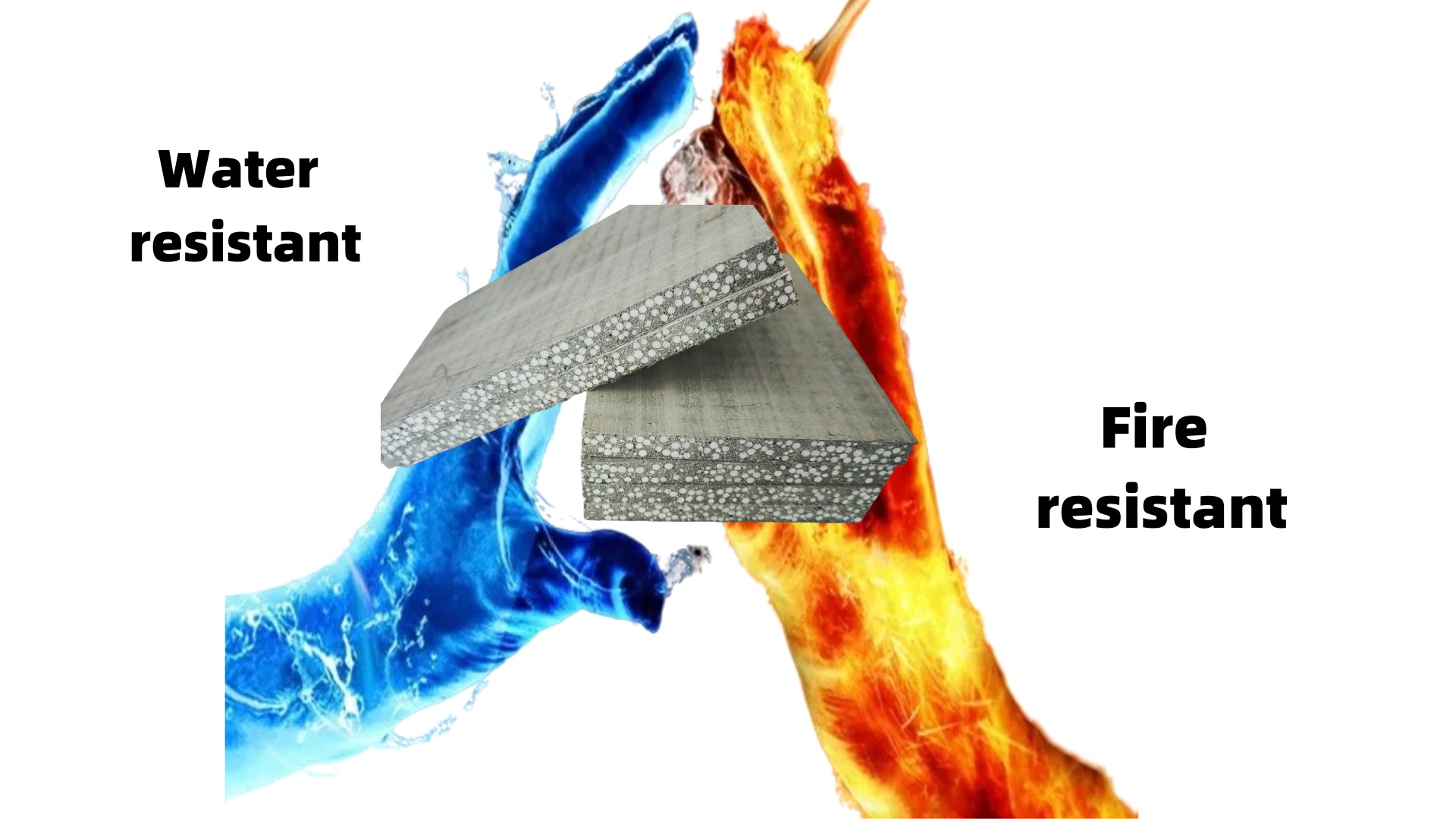
Cement board is a durable material made from a mix of cement slurry and fiberglass reinforcement. Known for its moisture and fire resistance, it is often used in areas where durability and stability are crucial.
Key Features of Cement Board:
- Moisture Resistance: Does not swell or warp when exposed to water.
- Fire Resistance: Can withstand high temperatures without damage.
- Load-Bearing Capacity: Handles heavy tiles and weight effectively.
- Smooth Surface: Provides an even base for tile installations.
Common Applications:
- Tile underlayment for bathrooms, kitchens, and laundry rooms.
- Countertops and backsplashes.
- Heavy-duty flooring and walls in high-moisture environments.
What Is Plywood?
Plywood is a versatile material made by layering thin sheets of wood veneer and bonding them with adhesive under heat and pressure. It is known for its lightweight and cost-effective properties.
Key Features of Plywood:
- Lightweight: Easier to handle and install compared to cement board.
- Affordable: A budget-friendly option for large-scale projects.
- Flexible Applications: Suitable for cabinetry, interior walls, and furniture.
Common Applications:
- Cabinets and shelves.
- Interior walls and ceilings in dry areas.
- Decorative projects requiring customization.
Cement Board vs. Plywood: A Comprehensive Comparison
| Aspect | Cement Board | Plywood |
|---|---|---|
| Composition | Cement slurry reinforced with fiberglass. | Thin layers of wood veneer bonded with adhesive. |
| Moisture Resistance | High; ideal for wet environments. | Low; prone to warping if exposed to moisture. |
| Fire Resistance | Excellent; withstands high temperatures. | Limited; susceptible to damage in high heat. |
| Load-Bearing Capacity | High; supports heavy tiles and weight. | Moderate; suitable for lightweight applications. |
| Durability | Long-lasting and resistant to wear. | Moderate; can weaken over time in moist conditions. |
| Ease of Installation | Heavy; requires tools for cutting. | Lightweight; easy to cut and install. |
| Cost | Higher cost. | More budget-friendly. |
Performance Metrics Comparison: Cement Board vs. Plywood
| Performance Metric | Cement Board | Plywood |
|---|---|---|
| Weight | Heavy; requires support during installation. | Lightweight and easy to handle. |
| Flexibility | Rigid; ideal for preventing cracks in tiles. | Flexible; suited for curved applications. |
| Impact Resistance | High; withstands heavy use. | Moderate; prone to dents and scratches. |
| Installation Time | Longer; requires precise tools. | Shorter; cuts and installs easily. |
| Environmental Suitability | Best for humid or wet environments. | Best for dry and controlled environments. |
Advantages and Disadvantages
Cement Board Advantages:
- Superior resistance to moisture and heat.
- Ideal for heavy tiles and high-impact areas.
- Provides a smooth, even surface for tile installations.
Cement Board Disadvantages:
- Heavy and difficult to handle.
- Higher material and installation costs.
Plywood Advantages:
- Lightweight and easy to install.
- Versatile for various interior applications.
- Budget-friendly and widely available.
Plywood Disadvantages:
- Not suitable for high-moisture or high-heat environments.
- Less durable for long-term use in wet conditions.
Which Material Is Right for Your Project?
When to Choose Cement Board:
- For wet or humid environments, such as bathrooms and kitchens.
- When durability and longevity are top priorities.
- For projects requiring a stable base for heavy tiles or countertops.
When to Choose Plywood:
- For dry areas like living rooms, bedrooms, or office spaces.
- When budget and ease of installation are key considerations.
- For cabinetry and decorative elements in low-moisture environments.
Conclusion
Choosing between cement board and plywood ultimately depends on your project’s specific needs and environment. Cement board is the superior choice for high-moisture and high-impact applications, offering unmatched durability and resistance to water and heat. On the other hand, plywood excels in lightweight, budget-conscious projects where versatility and ease of installation are priorities.
By understanding the features and applications of each material, you can make an informed decision to ensure the success and longevity of your construction or renovation project. For more expert insights and tips, subscribe to our blog or contact us for personalized advice!