
Super Light vs. Light Cement Board: Which One Fits Your Project?
Introduction
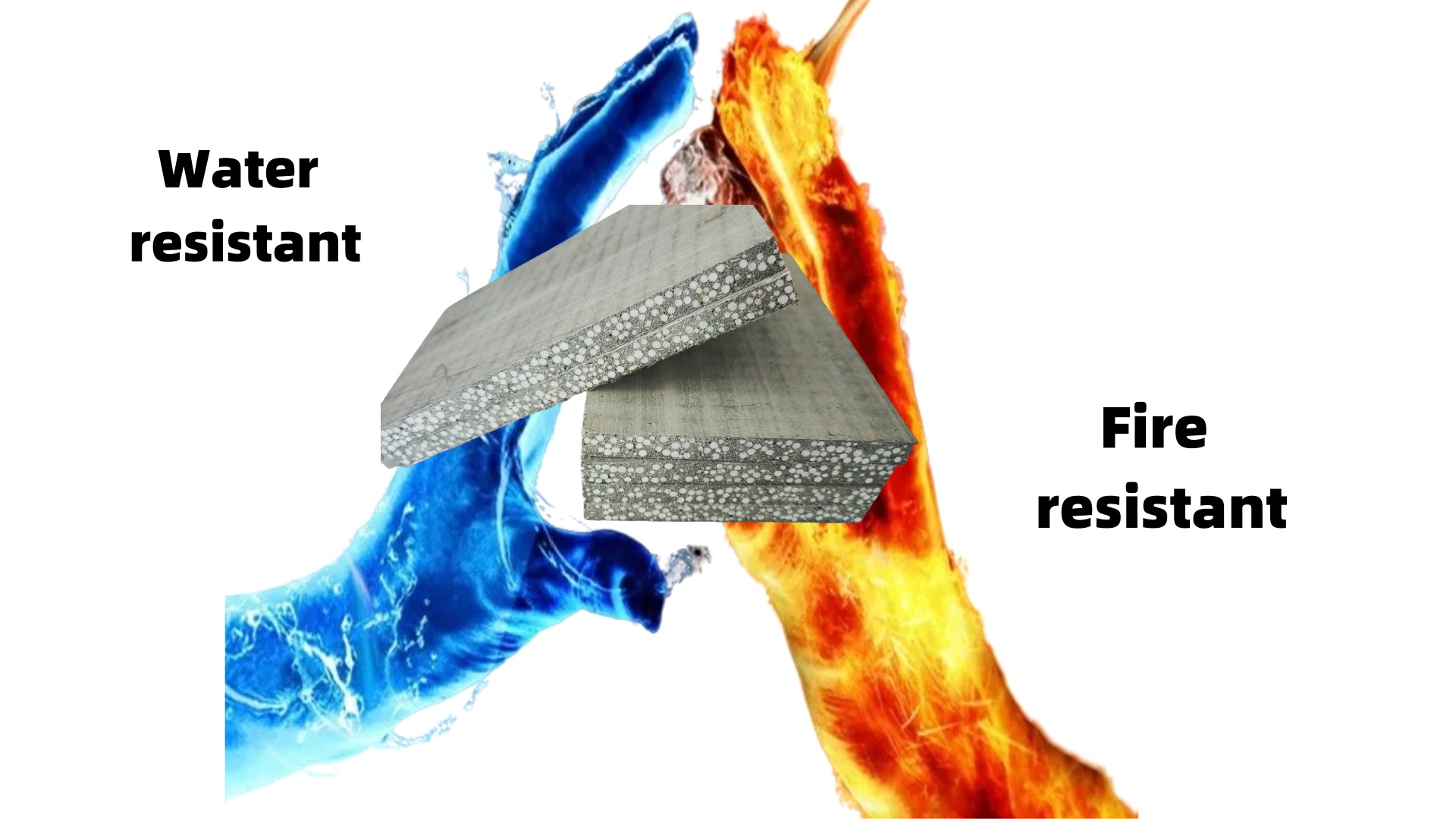
When it comes to modern construction, choosing the right board is crucial for both performance and cost efficiency. Among the many options available, Light Cement Board and Super Light Cement Board are two of the most practical solutions. They share similar qualities such as fire resistance, moisture resistance, and long-term durability, but they differ in density, price, and handling. Understanding these differences can help contractors and distributors decide which board is the best fit for their projects.
What They Have in Common
Both Light Cement Board and Super Light Cement Board are built on the same principles:
- Fire resistant – ensuring safer environments
- Moisture resistant – preventing swelling and deformation
- Stable in size – with minimal expansion or shrinkage
- Easy to work with – boards can be cut, drilled, and fixed using standard tools
These features make cement boards a strong alternative to gypsum boards, particularly in projects where higher durability and reliability are required.
Light Cement Board (Density 800–900 kg/m³)
Light Cement Board is designed as a balanced material that combines strength with versatility.
- Density: 800–900 kg/m³
- Applications: Ceilings, internal and partition walls, floors, and even certain exterior uses
- Advantages: Provides greater durability and wider application coverage compared to super light boards
- Best For: Projects that demand stronger load-bearing capacity, such as flooring systems and external cladding, while still keeping weight lower than traditional cement panels
Super Light Cement Board (Density 500–600 / 700–800 kg/m³)
Super Light Cement Board is the upgraded option for projects where efficiency and cost savings are top priorities.
- Density: 500–600 kg/m³ or 700–800 kg/m³
- Applications: Ceilings, partition walls, and interior wall linings where reduced weight is essential
- Advantages:
- Ultra-lightweight design – a single worker can carry and install a full-size board
- Lower labor demand – especially valuable in high-labor-cost regions such as Europe, Japan, and the U.S.
- More affordable – priced lower than standard cement boards, helping reduce overall project budgets
- Best For: Contractors looking for a cost-effective building material that saves on labor and simplifies handling
Key Differences at a Glance
| Feature / Property | Super Light Cement Board | Light Cement Board |
|---|---|---|
| Density | 500–600 / 700–800 kg/m³ | 800–900 kg/m³ |
| Weight | Ultra-light, single-worker handling | Heavier, often requires two workers |
| Price | Lower, cost-saving option | Higher, but with broader coverage |
| Applications | Ceilings, partitions, interior linings | Ceilings, walls, floors, some exterior uses |
| Main Advantage | Lightweight + lower cost = efficiency | Balanced strength + wider applications |
Conclusion
Both boards deliver reliable performance, but the choice depends on your project requirements:
- Choose Super Light Cement Board if you need a lighter, more affordable option that reduces labor costs and speeds up installation.
- Choose Light Cement Board if you require higher strength, durability, and wider application coverage, including flooring and certain external works.
At Dart, we supply both solutions with strict quality control and competitive pricing, ensuring that contractors, distributors, and builders can select the right board for every project with confidence.